Special Series

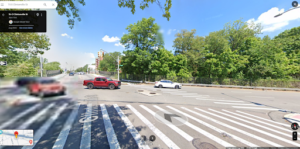
The “Purgatory Urbanism” of Whitestone
The bones for decent transit service exist in Whitestone – it’s the frequency that needs improvement.

The bones for decent transit service exist in Whitestone – it’s the frequency that needs improvement.
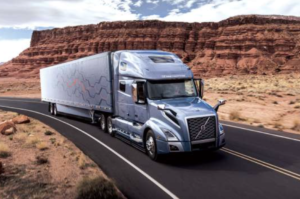

Diesel emissions from heavy-duty trucks are a leading source of air pollution, contributing to respiratory and cardiovascular diseases, increased cancer risks, and premature mortality. In California alone, the ACF rule is expected to save around 2,500 lives by 2050 and deliver roughly $26.5 billion in health savings.
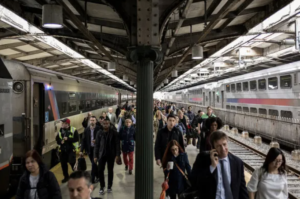

It is a tool that is necessary to a prospering life for most New Jersey residents. Therefore when you increase fare and decrease accessibility, all the users and riders who benefit and depend on the system will be unable to do all these things. If the NJ Transit Board of Directors is capable of helping its citizens, getting rid of this fare hike is the first thing that needs to be done to help them.
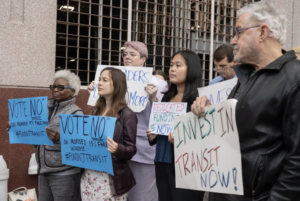
These fare hikes are not only a morally unfair decision in a time of a cost-of-living crisis but also a detriment to the growth of New Jersey. The fiscal shortfall has thankfully been averted with the corporate transit fee. We do not need to burden the working classes who hold up NJ Transit and the rest of the state with these fare hikes.
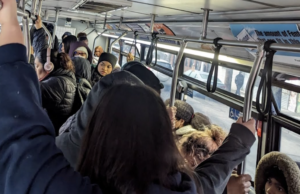

As someone who depends on public transportation, I understand the frustration that comes with experiencing fare hikes when service is in such a poor state. Being expected to pay an additional 15% per trip to take a train or a bus that is 30 minutes late, 90 minutes late, or even just completely canceled at the last minute is insane.
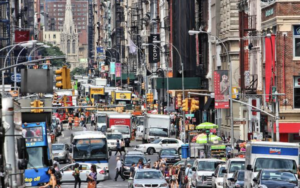

The MTA has everything it needs to put congestion pricing into place—the legal approval, the hardware, the federal support. We just need to decide to move forward.
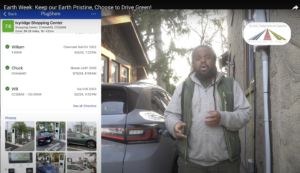
TSTC launches a video series, “Charging Ahead: Transitioning to Electric Vehicles,” to highlight the benefits of EVs in reducing carbon emissions, improving air quality, and empowering individuals to take action towards a more sustainable lifestyle through education and engagement.
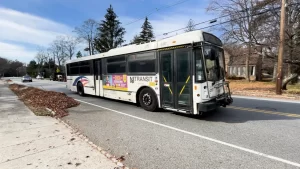

Let’s put these fare hikes in context. NJTransit train commuters already pay the highest fares of the nation’s 10 biggest commuter railroads. Now we are asked to pay 15% more, and then 3% more every year after that, forever? It’s just too much.
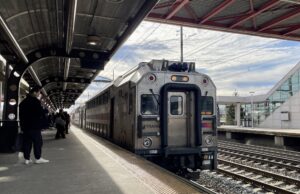

This proposal will place a considerable burden on New Jerseyans, especially our most vulnerable populations who rely on public transit for their daily needs. Over 270 million passengers a year depend on the system to get to work, school, essential services, and social engagements. 15% increase on their transportation costs has a huge impact.
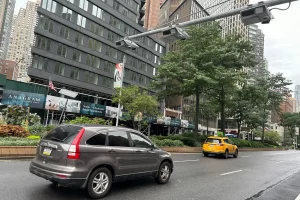
With less traffic on our roads and more direct investment in transit, we will see a significant reduction in carbon emissions, fostering a cleaner, healthier environment for all New Yorkers.
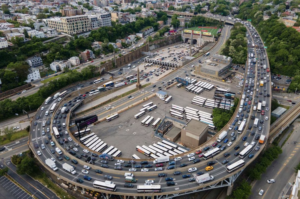
One in four New Yorkers find themselves living within half a mile of a mega-warehouse. The consequences are severe, disproportionately affecting underserved communities and communities of color. TSTC urges support for the Clean Deliveries Act.
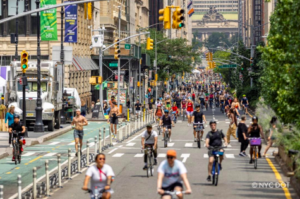
New York City currently has the slowest buses in the United States. They are not keeping up with MTA bus network redesigns. Poor bus service disproportionately impacts
immigrant and BIPOC New Yorkers who heavily rely on bus service and who need and deserve frequent and reliable transportation.