Land Use-Transportation Connection
Tools for Converting Highways to Boulevards
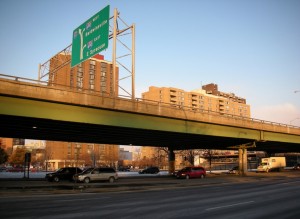
What happens when highways need to be replaced? In the case of urban highways across the country, the answer residents and advocates have been giving

What happens when highways need to be replaced? In the case of urban highways across the country, the answer residents and advocates have been giving
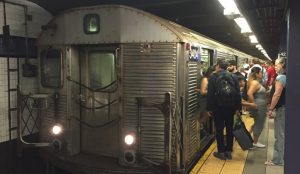
New York City is often called the “Greatest City in the World.” It is a city where people from all over the world come to live
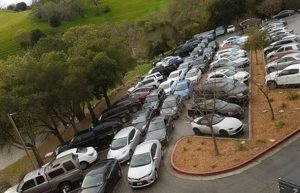
Investor and entrepreneur Elon Musk has put forth some radical transportation proposals (Hyperloop, anyone?), but when it comes to solving day-to-day commuting challenges, the Tesla
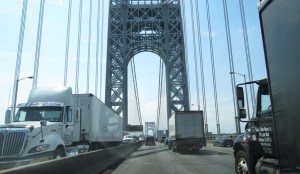

The recently-released annual report from the American Transportation Research Institute, a non-profit trucking industry research group, identifies the top locations in the country where truckers encounter
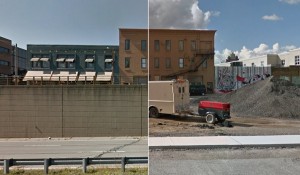
One feature (bug?) of Google Maps’ Street View mode is that sometimes we’re able to see images of streets at different points in time. This
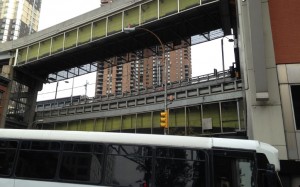
Nearly a year ago, discussing the bus terminal replacement project, the Port Authority declared, “We are so out of our league. We don’t know what we’re doing.”

Something unusual is happening with parking spaces today, and no, we’re not referring to the mysterious disappearance of New York City DOT Commissioner Polly Trottenberg’s
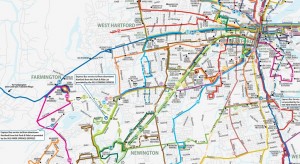
Due to cuts in the state budget, Connecticut’s transit system is facing a serious shortfall. So predictably, the state Department of Transportation has proposed rail and bus fare
The New York Metropolitan Transportation Council (NYMTC) will host a council meeting to adopt the 2017-2021 Transportation Improvement Program (TIP) on Wednesday, September 7. USDOT Secretary Anthony Foxx
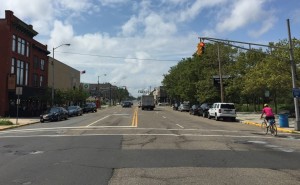
The City of Asbury Park adopted a complete streets resolution on October 9, 2015. Less than three weeks later, the City formally rejected a proposal